Wavy Retro: The Groovy Typeface for Bold Branding
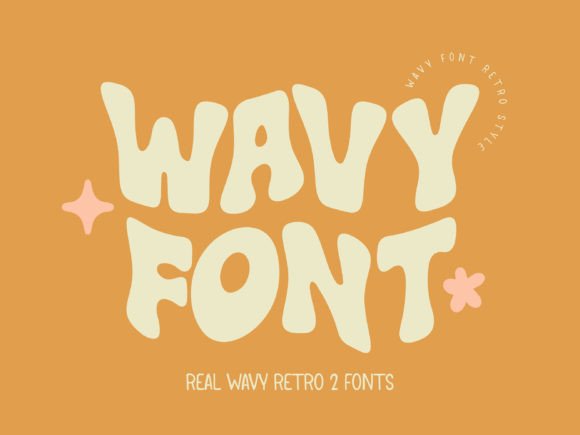
I opened my design software with a blank artboard, staring at the challenge of creating a visual identity for a new artisanal coffee roaster. The client wanted something that felt nostalgic yet fresh, a vibe that screamed "retro-inspired projects" without looking like a cheap imitation from the 1970s. That was when I decided to test Wavy Retro, a display font known for its groovy style and distinct wavy effect. As I dragged the type onto the canvas, the playful yet stylish look immediately transformed the mood board. This wasn't just another generic script; it was a stylish choice for designs seeking that specific blend of vintage charm and modern edge.
How Wavy Retro Transforms Coffee Shop Logos and Packaging
When you place Wavy Retro on a mockup for a local business, it instantly establishes a unique brand personality. In this specific case, I used the font as the primary element for the coffee shop's logo, where the wavy lines mimicked the steam rising from a fresh cup or the gentle undulation of roasted beans. Because Wavy Retro is classified as a Display font, it demands attention in large sizes, making it perfect for signage, storefront windows, and product packaging labels. The font's inherent rhythm creates a visual hierarchy that guides the customer's eye directly to the brand name before they even read the supporting text. Unlike standard serif or sans serif fonts, this creative font injects energy into the design assets, turning a simple coffee bag into a statement piece that stands out on crowded shelves.
The Impact of Wavy Retro on Social Media Graphics and Posters
Beyond physical print, I tested how Wavy Retro performs in digital spaces, specifically for social media graphics and event posters. The font's groovy nature makes it ideal for Instagram stories and promotional flyers where grabbing attention within seconds is crucial. When paired with vibrant colors, the wavy effect adds a layer of movement that static typefaces often lack. For a boutique clothing store or a handmade craft market, using Wavy Retro for headlines ensures that the message feels personal and handcrafted. It bridges the gap between professional typography and artistic expression, proving that Fonts with character can drive higher engagement rates by evoking an emotional response from the audience.
Why Wavy Retro Is Ideal for Vintage-Inspired Wedding Invitations
While I started this project with a commercial client, the versatility of Wavy Retro quickly made me think of other applications, such as wedding invitations and elegant branding. The font's playful curves soften the overall aesthetic, making it a fantastic choice for couples who want a retro theme without the stiffness of traditional calligraphy. When designing a suite of stationery, the wavy lines create a sense of flow and continuity across different pieces. If you are a designer working on high-end events, knowing that Wavy Retro is a stylish choice for designs seeking a balance between fun and sophistication is invaluable. It allows you to create custom letterpress effects or foil-stamped headers that feel both timeless and trendy.
Pairing Wavy Retro with Modern Typography for Balanced Design
A common concern when using a highly stylized Display font is readability and harmony. During the testing phase, I found that Wavy Retro works best when paired with a clean, understated typeface. I chose a geometric sans serif for the body copy and secondary information, which provided a necessary contrast to the organic waves of the headline. This pairing technique ensures that while the brand name remains the star, the essential details remain legible. By combining Wavy Retro with a modern typography style, you avoid the risk of the design becoming overwhelming or difficult to read. The key is to let the groovy font handle the emotion and use neutral fonts to provide structure and clarity.
Using Wavy Retro for Handmade Product Labels and Merchandise
The application of Wavy Retro extends seamlessly into the world of small business owners and crafters. Imagine applying this font to the labels of homemade soaps, candles, or artisanal jams. The wavy effect adds a tactile quality to the visual design, suggesting that the product inside is crafted with care and attention to detail. Since Wavy Retro is designed as a commercial font suitable for various industries, it offers flexibility for entrepreneurs launching their own brands. Whether you are printing stickers for a Etsy shop or creating t-shirts for a local band, the font's bold presence ensures your merchandise looks professional and cohesive. It transforms ordinary products into memorable experiences through thoughtful typographic choices.
Evaluating Wavy Retro for Website Headers and Editorial Design
In the digital realm, Wavy Retro serves as an excellent hero font for website headers and editorial layouts. I experimented with placing the text over full-width images for a landing page, and the result was striking. The font's unique character breaks up the monotony of standard web design trends, offering a distinctive look that users remember. However, because it is a groovy font style, it should be reserved for short-form text rather than long paragraphs. Using it for headlines, pull quotes, or navigation menus adds a layer of personality to the site without compromising user experience. For bloggers and publishers looking to refresh their brand identity, integrating Wavy Retro can signal a shift towards a more creative and approachable voice.
Practical Steps for Testing Wavy Retro Before Finalizing Your Brand
Before committing to a full rebrand, I always recommend downloading the font files and testing them across different mediums. Check how Wavy Retro renders in black and white versus color, and see how it holds up when scaled down for mobile screens or enlarged for billboards. Look closely at the included styles, alternates, and ligatures to ensure you have enough variety to maintain consistency throughout your project. Understanding the technical specifications, such as file formats and multilingual support, is also critical for international campaigns. By treating Wavy Retro as a core component of your design system from day one, you can ensure that your branding materials—from business cards to digital ads—tell a unified and compelling story.